

How to Pick a Gift for Someone: A Simple Method
The short answer
To pick a gift for someone, start with what you already know: how they spend time, what they keep using, what they complain about, and what they get excited to discuss. A good gift is not random generosity; it is evidence that you noticed.
Get personalized ideas, free
The picks
As an Amazon Associate, Hint earns from qualifying purchases. Links go to Amazon search results; prices change, so we show a range instead of a price.

1. Hobby accessory organizer
Why it works: Use this when the clue is a hobby they already love but you do not know the exact gear.
$25–$50 rangeShop on Amazon (opens in a new tab)2. Upgraded everyday coffee mug
Why it works: Use this when the clue is a daily routine that could feel a little nicer.
Under $25Shop on Amazon (opens in a new tab)
3. Local class experience voucher
Why it works: Use this when the clue is something they keep saying they want to try.
$50–$100 rangeShop on Amazon (opens in a new tab)
4. Personalized desk name plate
Why it works: Use this when the clue is a small personal detail, new job, or meaningful milestone.
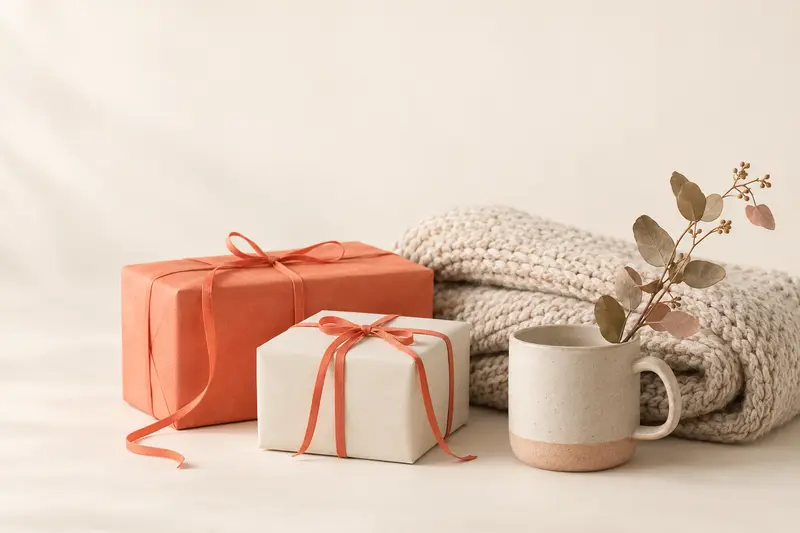
$25–$50 rangeShop on Amazon (opens in a new tab)5. Soft textured throw blanket
Why it works: Use this when the clue is that they love quiet nights, reading, or a cozy living room.
$25–$50 rangeShop on Amazon (opens in a new tab)
Try the Free AI Gift Finder
Share a hobby, a screenshot or a playlist. Get 5 picks made for one specific person in under a minute.
How to pick a gift for someone is mostly a noticing exercise. You are looking for proof of what they already enjoy, use, avoid, collect, talk about, or keep meaning to do.
Start With Clues You Already Have
To learn how to pick a good gift, write down three small facts about the person before you shop. Not demographics. Actual clues.
- What do they do after work or on weekends?
- What do they complain is annoying?
- What do they replace, upgrade, or borrow often?
- What do they bring up without being asked?
Those answers point you toward gifts that feel natural instead of random.
Match the Gift to How They Spend Their Time
How to choose a gift for someone gets easier when you picture a real moment. Are they cooking dinner, commuting, hosting friends, walking the dog, gaming, reading, gardening, or working at a desk? Put the gift into that scene.
Avoid gifts that require them to become a different person. A thoughtful present should fit into their life with very little effort. If you cannot explain why it suits them in one sentence, keep looking.
Questions, answered
Choose something low-risk and broadly useful, then make it lightly personal. Food, desk items, hosting gifts, books about a known interest, or simple experience vouchers work well. Avoid clothing, strong scents, inside jokes, or anything that assumes a lifestyle you have not actually seen.
Hard-to-shop-for people usually have specific taste, enough stuff, or both. Look for upgrades to things they already use, consumables they can enjoy without storing, or experiences that do not add clutter. You can also ask someone close to them for one current interest.
Match the gift to an existing behavior, not an imagined new personality. If they do not cook, do not buy ambitious kitchen gear. If they never wear accessories, skip accessories. The safest gifts remove friction, replace worn items, or add pleasure to habits they already have.
A gift may be too expensive if it creates pressure, feels disproportionate to the relationship, or makes the occasion awkward. Bigger is not automatically more thoughtful. If you want to spend more, choose something clearly useful or shared, rather than something flashy for its own sake.
Related guides
 Christmas
 Gift Ideas 2026: 15 Picks They'll Use
Christmas gift ideas 2026 for partners, parents, friends, coworkers, relatives, and everyone still on your list.
 Boyfriend
Gift Ideas for Boyfriend: 12 Thoughtful Picks
Gift ideas for boyfriend birthdays, holidays, anniversaries, or just because, based on what he actually likes.
 Friend
Gift Ideas for Female Friend: 12 Thoughtful Picks
Gift ideas for female friend birthdays, thank-yous, holidays, or just because, with treats, hobbies, style, and experiences.